Long considered sleepy, Bordeaux has undergone a spectacular transformation over the past twenty years: 18th-century facades restored to their original golden hue, riverbanks returned to pedestrians, a discreet tramway. The city now lends itself perfectly to a weekend combining urban heritage and a foray into the world's most famous vineyard.
Day 1: the golden stone city
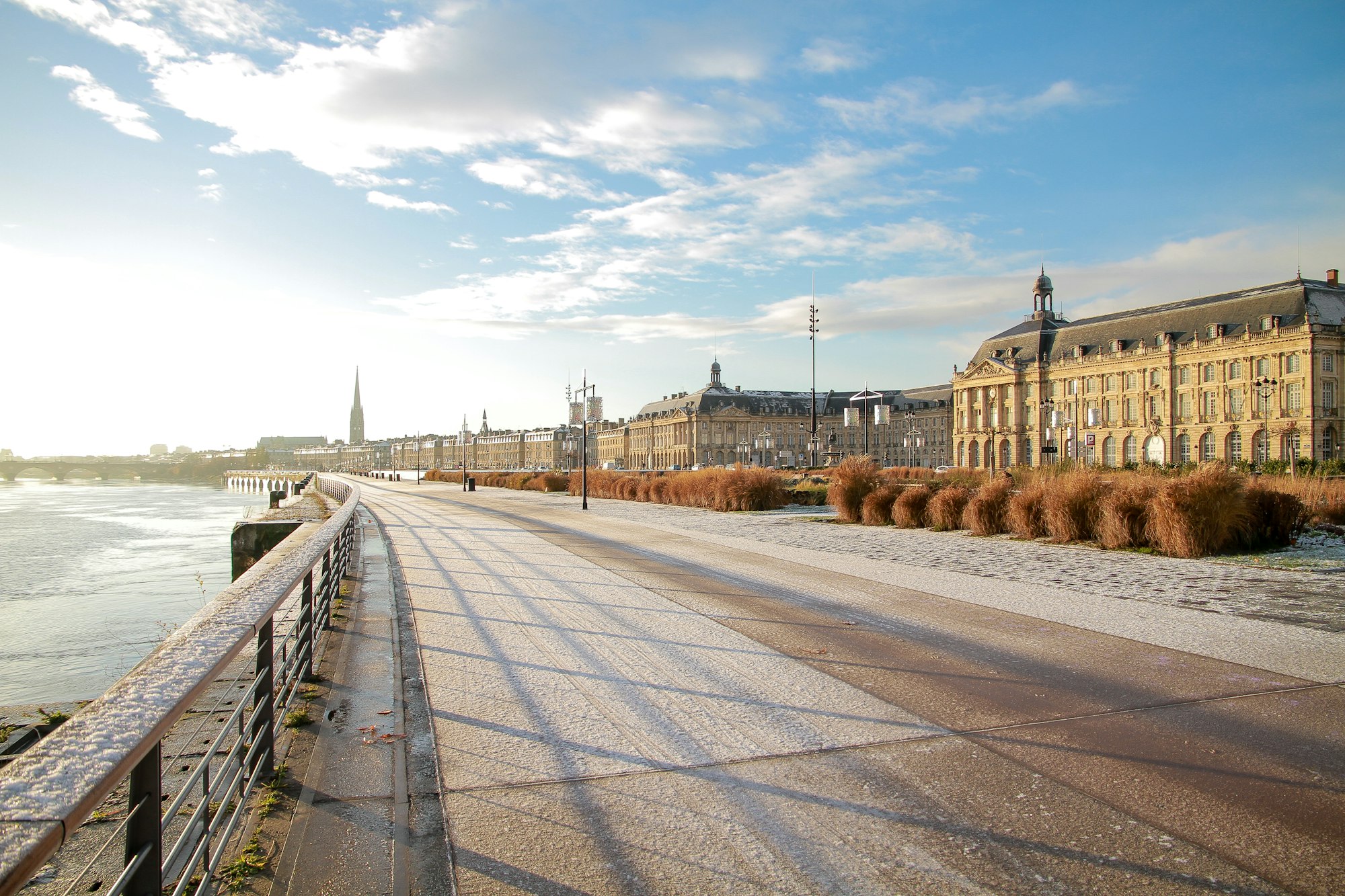
Start with Place de la Bourse and its mirror d'eau, now the most photographed image of Bordeaux. Head up towards the Grand Théâtre and the Grands Hommes district, before diving into the Saint-Pierre quarter, dense with small squares and restaurants. In the afternoon, Rue Sainte-Catherine, one of Europe's longest shopping streets, leads to Place de la Victoire and its more student-driven atmosphere.
Day 2: the Cité du Vin and the riverbanks
Devote your morning to the Cité du Vin, an immersive museum dedicated to wine civilizations worldwide, whose decanter-shaped architecture has become a symbol of contemporary Bordeaux. Its panoramic bar on the top floor offers a tasting with a view over the Garonne. In the afternoon, follow the redeveloped riverbanks to the Chartrons district, once the stronghold of wine merchants, now home to antique dealers and art galleries.
A foray into the vineyard
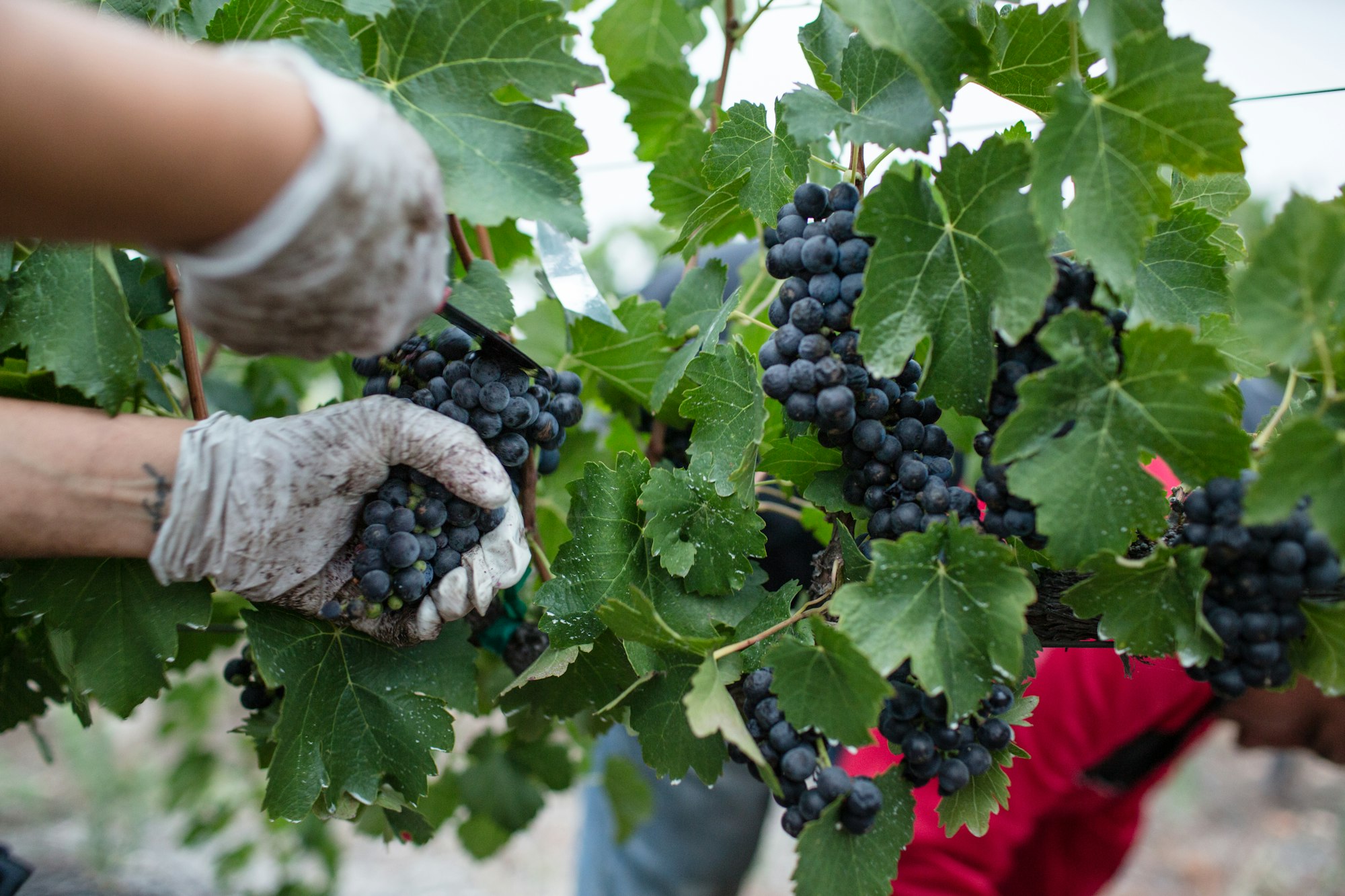
If you have an extra half-day, the châteaux of the Médoc or Saint-Émilion are less than an hour's drive away. Saint-Émilion, a UNESCO-listed medieval village built entirely around and on top of its monolithic church, combines heritage discovery with tasting in an exceptional setting.
Where to stay in Bordeaux
The Saint-Pierre district offers the most charming setting, with cobbled lanes and immediate proximity to the riverbanks. Chartrons suits those who prefer a more residential atmosphere, just minutes on foot from the Cité du Vin.
How to organize your trip
Bordeaux is just over two hours from Paris by TGV. The city centre can be explored entirely on foot or by tramway; a car is only needed for the vineyard excursion.

Passionate about travel and urban discoveries, I create guides to help travelers organize their getaways in the most beautiful cities in Europe and elsewhere. Through City Travelers, I share itineraries, practical tips and tour ideas to take full advantage of each destination, for a weekend or a longer stay.