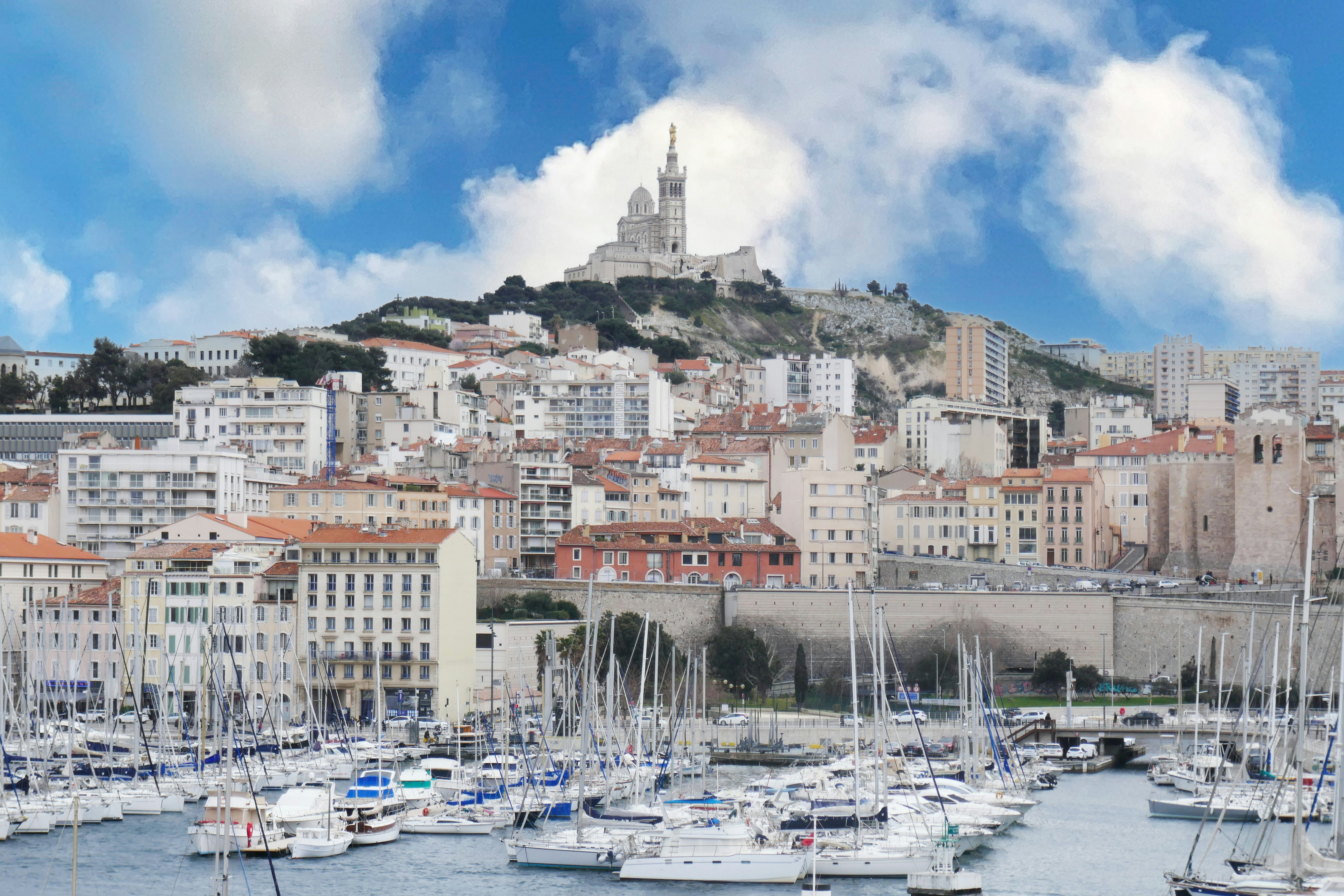
In summer, Marseille's calanques have to be earned: restricted access, visitor quotas, queues from dawn. Winter turns the tables. The trails empty out, the turquoise water keeps its colour even under a cooler sky, and you can finally walk to Sormiou or Morgiou without passing another soul for long stretches. This is the Marseille that Marseillais themselves prefer.
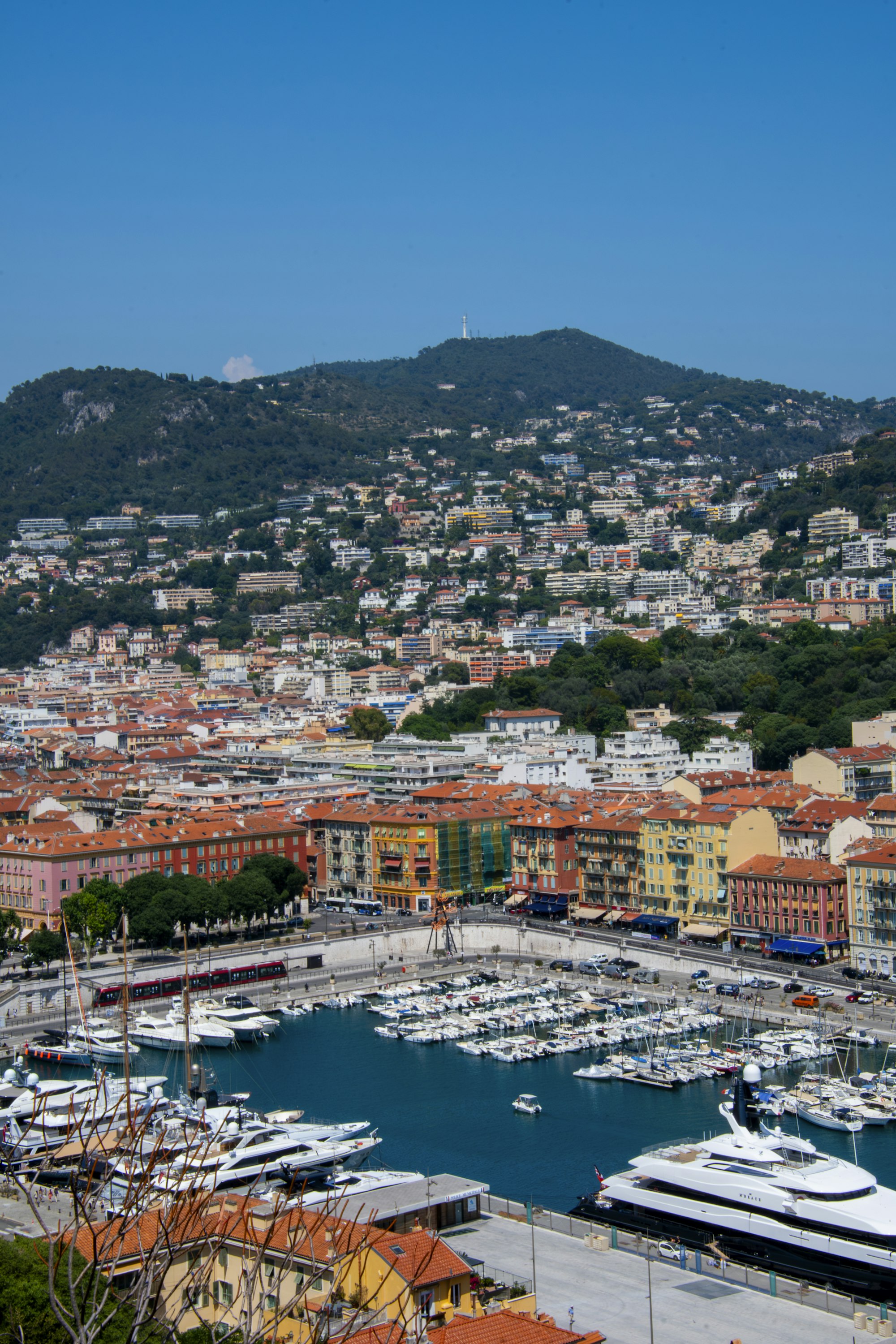
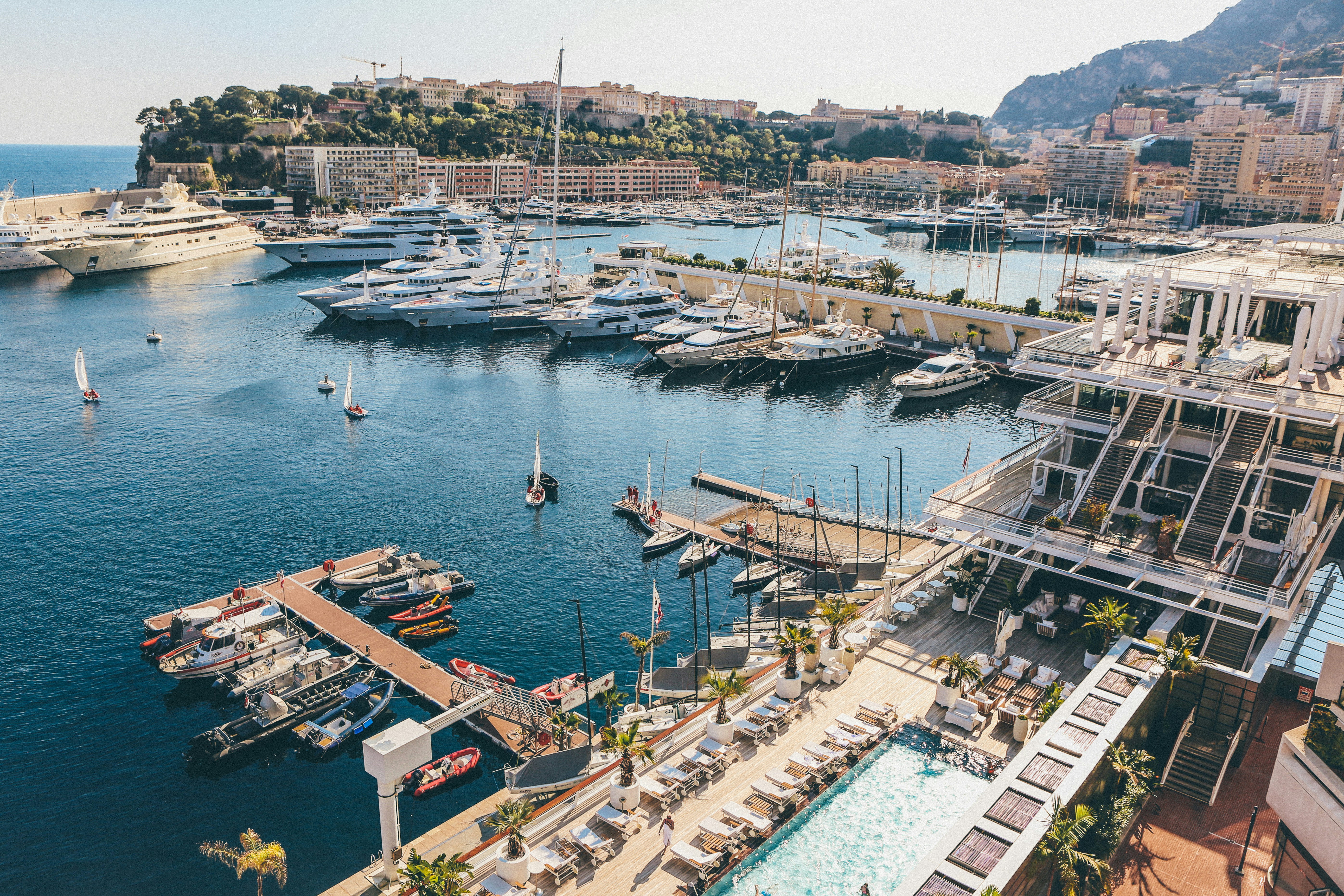
The Vieux-Port returned to its residents
From late autumn, the Vieux-Port regains its working rhythm: fishermen sell their morning catch without worrying about camera lenses, and the pastis bars fill with regulars rather than passing visitors. The fish market, a local institution, feels different when it's no longer a tourist attraction but simply the life of the neighbourhood.
Hiking the calanques in low season
From November to March, access to the calanques is generally unrestricted, without the summer fire-risk closures. It's the best window to reach coves like Sugiton or En-Vau on foot, with winter light that sharpens the contrast between the white limestone cliffs and the deep blue water. Bring sturdy shoes regardless — the trails stay rugged whatever the season.
The MuCEM and culture in quiet
The MuCEM, the city's architectural emblem, feels almost contemplative to visit in winter. The museum's terrace, overlooking Fort Saint-Jean and the sea, becomes a place to pause rather than a crowded thoroughfare.
Where to stay in Marseille off-season
The Vieux-Port and Le Panier districts remain the most convenient bases for exploring the main sights on foot, with winter rates noticeably gentler than in high season. For those seeking quiet, a hotel along the Corniche Kennedy offers open sea views and quick access to the calanques.
Exactly when to go
December and January bring the calmest days, with a Mediterranean climate that stays milder than the rest of France. February and March add a few extra hours of daylight, ideal for extending hikes into the late afternoon.

Passionate about travel and urban discoveries, I create guides to help travelers organize their getaways in the most beautiful cities in Europe and elsewhere. Through City Travelers, I share itineraries, practical tips and tour ideas to take full advantage of each destination, for a weekend or a longer stay.